
Podcast


Get to know your hosts, Richard and Sean, and hear about our vision for Foundations: Conversations on Faith & Family, a monthly podcast from The Planted Project. Hear a little bit about our diverse team of parents, ministry leaders, and scholars, and how we are focused on being more intentional about faith formation in the home.
For more free resources and to be the first to know when we release our upcoming Faith Formation Assessment tool, visit PlantedProject.com.

Richard (00:19)
Hi, welcome. My name is Richard. This is Sean, and we’re gonna get right into what even is this podcast in just a second. but to do that, we’re gonna need to talk about a couple of things. First, the Planted Project itself. We’re on the Planted Project team. We’ll tell you a little bit more about that and our roles in it. And then we’re also gonna talk about our big goal right now, the big thing we’re working on at the Planted Project, which is our faith formation assessment.
Because both of those things relate really directly to what this podcast is and what we hope that you’re going to get out of it. Whether you’re a pastor, a ministry leader, a parent, a caregiver, whoever you are, we want to explain what how is this gonna help you. But first, you also need to know who we are. So…
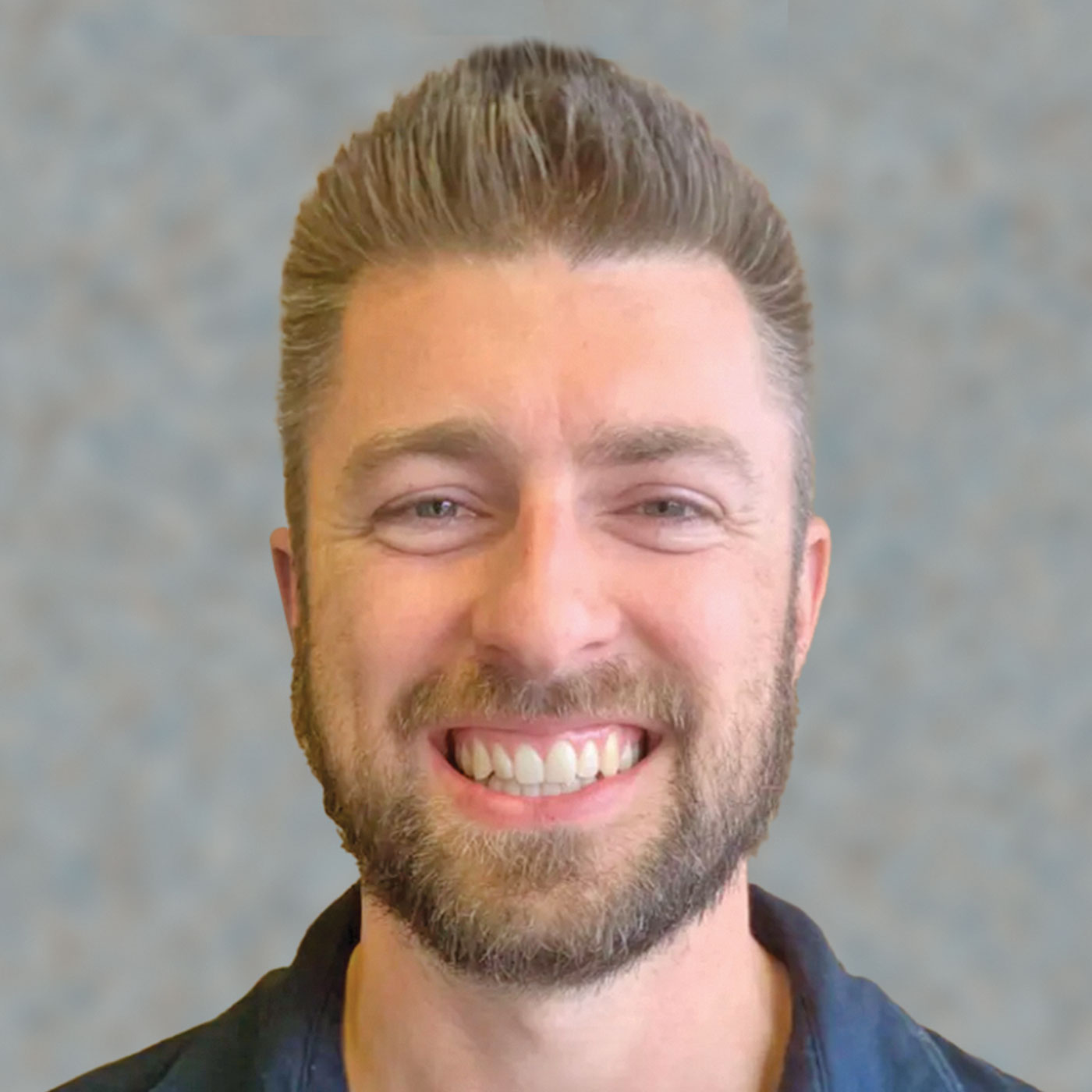
I’m Richard Snyder. I am a research fellow of communication here at the Planted Project. And it’s kind of my job to run all the media stuff around here. So I’m helping with developing our Faith Formation Assessment app, which you’ll hear about a little bit more in a minute. And I also have, you know, I’m kind of in charge of this podcast along with my co-host Sean. And we also help, we both work on developing content for our resource site where you can go to find free resources related to faith formation. And I am also a parent. so my day job is I’m a professor and I teach classes about communication and media. And my kids, I have three kids, are ages 12. I have a a boy who’s 12, a girl who’s eight, and then sorry, nine now, and then a boy who is three. Yeah, all of their birthdays are really lined up. So I’m still getting used to their new ages. But yes, 12, 9, and 3. So real good spread there. And so my as I see it, my role in this podcast is really not to be an expert on much of the content, but to be learning alongside you as the listener, especially as a parent myself, I want to be asking questions like
How can parents actually use this what we’re talking about here, these conversations, these domains? How do how should we understand faith formation as just a a person trying to get through life with a busy home? And my wife and I are always looking for like, what should we be doing? Right? How could we be improving on the way w that we form faith in our kids and in ourselves? So that’s me.
Sean Silverii (02:55)
Yeah.
Richard (02:56)
Now you’re gonna hear from Sean. Sean, tell us a bit about yourself.
Sean Silverii (02:59)
Yeah, Sean Silveri and a I guess the title would be the research a research fellow of ministry leadership. on this team, there’s several of us that are that carry that role. And I get to work alongside of Richard as well in curating content for pastors and ministry leaders and and as well as caregivers and parents and grandparents and all the guardians and anyone who would want to learn more on how to pass on a robust faith to the younger generations.
And so that’s really exciting. We also have three children, my wife, Ashley and I, and a eleven year old boy, eight-year-old boy, and five year old girl who is the apple of my eye, man, I tell you what.
Yeah, so we’re we’re learning right alongside of you as well. Sin especially since me and my family are pioneering a brand new church plant in Bend, Oregon. And so we are in the thick of pastoral vocational ministry and have been for the last twenty years or so. And yeah, that’s a little bit about us as we dive into episode zero. So , Richard, maybe we could talk a little bit about what the heck is the Planted Project?
Richard (04:24)
You know, it seems important, doesn’t it? being that it’s the main thing. Yeah. So the Planted Project is we’re we’re a team of people who’ve come together to equip Christian parents and ministry leaders to nurture lifelong faith in the next generation. and and I would argue in the current generation.
We received funding from the Lilly Foundation to kind of create some sort of faith formation resources for people around this topic. And so we bring together a really kind of cool, diverse team of people, of which I am the least cool, I think. I have to brag on my colleagues here a little bit, but we have this this really diverse team of experts in these areas that have come together. and I do want to point out too, it’s not just a bunch of eggheads. We have a lot of people practicing ministry in the field, and we have a lot of people who currently have kids right now and are thinking about this as a parent. and we have people who are taking care of elderly parents and who are thinking about faith formation and the household in many different ways. And so we have this really neat team who’s come together — we believe that faith formation is intentional, it’s a communal process, and it shapes how families grow in their relationship with God. And then, you know, that really informs how a whole church can grow in its relationship with God, or how a small group can grow in a relationship with God and be conformed to Christ. So we’re really about providing practical resources. Sean, do you have any other like you and I are working on some of those resources. You’ve written several of them.
Sean Silverii (06:07)
Yep.
Richard (06:08)
But we are also soliciting them from outside and we have some written by different team members. Do you wanna give us an idea of what a couple of those might look like besides this podcast, which is one of them?
Sean Silverii (06:19)
Yeah, definitely. And everything that we’re we’re really trying to focus in on six domains. And so we’ve of faith formation. and so we we want to curate resources that are going to be very helpful to the caregiver, the the grandmother or the grandfather that’s raising their grandchild, the the the lead pastor, the youth pastor, the denominational leader, whoever it might be, around these six domains, which you’ll hear more and more about. But we’re gonna be writing articles, we’re gonna be doing book reviews and and and maybe some would not maybe actually we’re going to do some content within our own team that we feel will be very beneficial. video content, in addition to that, recommendations and reviews, we’re not looking to replace or do something
Like as an alternative to things like plugged in, if you will, some of these other media outlets that help parents and help pastors, access, you know, the Bible project, things that we’re trying to zero in on something just a little bit more unique in order to help us and specific. But in broad as well. Like at the same time,
Richard (07:38)
In specific, yeah. Mm hmm. Yeah, it’s true.
Sean Silverii (07:44)
There’s freedom to be able to say, Hey, can we take this and then and then how do we apply it to our zip code, within our our our home or within a church body, a small group of maybe families that wanted to to do this together. And so those will be a lot of a lot of the resources and content you see and hopefully we’ll come up with some like a series of things. So one of the domains is suffering. And we really believe that when we look at the early church, when we look at the totality of scripture that followers of Jesus, followers of Yahweh, they knew how to suffer well. Sometimes they didn’t suffer very well. But they at the same time that that was a part of forming us in our walk with Jesus. And so maybe out of that domain we have some a series of videos that help shape suffering well with and how to talk about it. where what what is the the biblical premise for that and and so on and so forth. So those are some of the things that we have in the works and are excited about. But yeah.
Richard (08:52)
Yeah, and I should I should say that those domains come out of our psychology, our team of psychologists, headed by Dr. Sherry Sees, did a bunch of research over several years, you know, scientifically vetted evidence based research on what actually informs whether somebody sticks with faith or not. And they found things were centered around these six domains when people talked about, you know, when they they collected data on on what do people talk about? What do they attribute this to? How is it actually forming them? Sean mentioned suffering.
Sean Silverii (09:29)
Right.
Richard (09:29)
The others are are scripture, liturgies, culture, community, and parenthood. Like these these are the six things, right, that that the data seems to show that inform and form our faith as we as we age, as we go through life, right? And so the cool thing about this is that those domains are can easily guide us in one direction or another as we’re thinking about well, what are some of the points that I’m actually not thinking about? You know, a lot of us don’t think about suffering, I would argue, Sean. Like a lot of us just don’t give it much thought in terms of what’s important for me in my life, in in forming my faith.
Richard (10:15)
So our first few episodes of the podcast are really in meant to introduce you to these domains. So you can dig into them a little bit with different members of the team. And we do have a couple of special guests coming in as well, like Emily McGowan, who wrote Households of Faith, and speaks really beautifully to all of the domains at once. But for the most part, those first few episodes are going to showcase our conversations as a team about what these domains mean. And so you can look forward to that.
Sean, as we kind of like wrap up here, can you help us understand like what is the point of this particular podcast in that grand scheme of what we’re trying to do with the Planted Project?
Sean Silverii (10:55)
Yeah, so as you can tell, I said that I was we’re planting a church, we’re in the middle of moving, and so you see this is temporary housing, and I’m sitting in my son’s bedroom that’s really not his and and so like it’s just kind of a serves as kind of a metaphor that life happens, in kind of an organically intentional way. And so oftentimes we have there’s there’s messiness, there’s things that don’t make sense and and there’s there’s tough things, there’s great things, there’s ups and downs. And our hope with in the the podcast is that we could journey together in discovering more and more how to pass on a really robust, strong faith to the younger generations. And as a pastor, I believe that we all are.
And I’ll speak for I’m no I’m speaking for every pastor, but we got into the vocational ministry side of things because we want to disciple people. We want to see people grow up in their faith as the apostle Paul talks about. And so oftentimes, man, I’m looking to podcasts, I’m looking to to to YouTube stuff, I’m looking to books, I’m reading a lot of books and this and that. Well, we hope that we could be another one of those resources for you that might be just a little bit unique to help encourage you as pastors, as ministers of the gospel, to help challenge you to think maybe a little bit differently about how we disciple. that maybe it’s just a little bit more messy as I look at my son’s clothes hanging from over behind me, but at the same time, the messiness is beautiful too. And so I kind of approach it from that pastoral side that maybe this this podcast can be a a a a resource where we can journey together on in the with these domains that it can maybe help inspire you to build some scaffolding for apprenticeship and discipleship and really formation within your churches and and and whatnot and your family. So yeah. What about you?
Richard (13:20)
Yeah, that’s well said. No, I think that’s great. I would the only thing I would add is like, you know, while the team has a lot of experience, it has some great credentials, I just love what you said about journeying together. I think that has been the experience, you know, full disclosure, we’ve already recorded four or five episodes, and that’s been the experience that you’re gonna hear is like I am journeying along with these folks who have some expert status on these topics and are journeying themselves. And I think the great thing is we don’t want to act like we have all the answers for how to form faith in every situation for every person in every moment. What we do want to do is provide an opportunity to think carefully through how this works. Right. And that that is that’s worth doing. I think
All of us would say, you know, hopefully if you’re listening to that podcast to this podcast, you would say that’s worth doing. but it’s maybe something we don’t give that much intentional time, and or we don’t know how to think through it, or there’s just a lot of noise out there. And so we hope you’ll kind of think through it with us, with some really great resources in the room too. For those who are caregivers as well. for those whether you’re you’re you’re a parent, whether you are a youth or children leader or worker, everything that we do as Jesus followers should be what I call human development centric. Like with Jesus centric, obviously. It’s all about Jesus. He’s King. But that that that mandate, that that commission, that calling to make disciples, to make followers who make followers, who make followers. So that and no matter where you’re at, no matter what your role is in the life of the body, the new covenant community, that you will find something here within the podcast and the other resources we’re providing.
Richard (15:38)
Okay, so aside from the resources that we’re creating, curating, like this podcast and the articles and other things we have available on our our resource site for free, we are working on a huge, huge thing right now, which is the faith formation assessment that really draws on our team’s expertise, especially we have a team of psychologists that are a part of the Planted Project and it draws on their expertise and research over several years to kind of work with these faith formation domains. So Sean can you’ve actually been a part of this since the very beginning. I came on a little later. Do you wanna kinda speak to how that idea developed and then I’ll kind of share where we’re at now?
Sean Silverii (16:23)
Yeah, yeah. So I was in and out of some of those some of those conversations. The major thing I feel that we came kind of came to the conclusion of it. Obviously Dr. Seese is a a gift to the kingdom of God, not just to this project, but really to the overall kingdom of God and just so bright, loves Jesus, but really helped shape this with Dr. John Bentall and how we don’t necessarily if you don’t know where we’re at, if we don’t have the right questions to ask, then we don’t know where we’re going to go.
And so and this assessment in essence is going to help us by answering the right questions, which, well, I will put it this way. It helps us ask ourselves as caregivers, pastors, parents, ministry leaders, the the questions that will in essence give us kind of a starting point of where we are and where we need to go in passing along a robust faith. And so the assessment is really giving us exposing things you know and and helping us to develop a little bit of understanding as to where are we at in our faith formation or human development…if you’re a pastor, [you ask] where are my people? What are they even struggling with? Oftentimes we don’t even know what people are wrestling with or struggling with, what they don’t understand, what they’ve not been taught. Where do they land on certain maybe doctrinal issues and th or they do they even have any kind of understanding.
And so we’re hoping that the that we we believe, I should say, that the assessment will rise to the surface some of those things to give ministry leaders, pastors, parents, caregivers, grandparents, guardians a starting point for passing along this faith. So that’s what that’s the heart of that. So
Richard (18:45)
Yeah. Yeah, that’s just right. And and where we are right now is I’m I’m helping get this app developed that basically takes all the research that Dr. Cs and her team have done and has put together a way for us to understand exactly what like where do we need to be more intentional, right?
And so at the end of taking this assessment, you know, it’s gonna be like twenty minutes long, you’ll have a really clear picture, like on these six domains that actually, you know, are proven, evidence-based ways of understanding how faith is being formed in you and and your household, like you’ll understand, like, wow, we are I I’m not being very intentional about suffering at all. Or I’m actually not as intentional about scripture as I thought in terms of how that is informing and forming my faith.
The nice thing is we directly connect you after that to free resources on any of those domains that you can use to really kind of dig in a little bit on that. And then and people like Sean are writing resources to help us understand, okay, so I’m not being very intentional about suffering. Where do I even start with that? Do I walk outside and hope I get hit by a bus and suffer? Like what does that look like? Not to be, you know, a little too too playful about it, but like, I don’t know what to do with that, right? So we’re gonna guide you from there into, you know, and ever all the resources we create, you can just easily access on our on our site.
And the the goal is really like, you know, we got this funding from the Lily Grant, Lily Foundation to to just get out there and make things available to people to really help with faith formation in their lives. And so we just wanna help like once you’ve identified like I want to be more intentional about suffering, we’re gonna be pushing you toward things that really help you think about that with your family or with it with your small group, with your church. So we’re really excited about that. And I have to say, in my own life, I have already just from working with this assessment and being on the podcast, I have already been so much more intentional about this in my life and had different ways to think about it. Just from talking with our team, right? So I am so excited for people who are going to get to jump into this and maybe like me have been like, hey, I think I should be more intentional about this, but I don’t really know where to start. this is is just for you.
So the the other thing I’ll say is we’re still developing this assessment, but we plan to launch it in 2027. On the earlier side, 2027. That’s the plan. So I’ll be giving updates throughout as you listen to the podcast episodes and kind of let you know where that’s at. You can also go to our website, PlantedProject.com, and click to find out more and get on our mailing list so that when it goes live, you can take it right away and you won’t miss that that opportunity. If you go there and sign up as well, you also do get our free mini ebook that goes through those six domains and kind of lays out our philosophy for this whole thing.
So Sean and I have been talking, you know, really off the cuff about this and what it means to us and what we hope it’ll mean to you. But you can also dig in on the theology of it, the the biblical nature of it, and those those kind of aspects and and see like where a heart is at there and the kind of the homework we’ve done on that end as a team. and that is a free publication that we’re giving out to anybody who signs up for that email newsletter or email notification. So head over to PlantedProject.com and sign up to to see when the assessment goes live.
Sean Silverii (22:35)
Love it.
Richard (22:36)
We look forward to seeing you on the actual podcast episodes. You’ll see one or both of us hosting and then inviting on some cool people to talk to. So we’ll see you in those episodes. Thanks so much and yeah, can’t wait to get started.
Sean Silverii (22:52)
Thank you.
Foundations
Conversations on Faith & Family
Foundations: Conversations on Faith and Family offers parents, caregivers, and ministry leaders the opportunity to explore faith formation in the home, blending deep theological insights with real-world practical wisdom. Each episode, host Richard Snyder is joined by special guests from around the world as well as team members from the Northwest Center for Faith and Family to discuss topics like culture, tradition, and suffering.
See All Resources
